
SCTCC Bias Incident Response Commitment
St. Cloud Technical & Community College (SCTCC) is committed to providing the education, training, and support necessary for equitable participation in our society, economy, and democracy. We will create and maintain a welcoming, caring, inclusive, and engaging environment that fosters a sense of belonging and that is free of discrimination and harassment. Bias incidents undermine these efforts. They limit our ability to excel in teaching and learning, and service to our communities. They also impede free and open discourse and our ability to know and learn from one another. Biased and hateful expression causes harm and fractures in our communities that must be addressed.
Purpose
This purpose of the SCTCC Bias Incident Response Protocol is to respond to each reported incident within a timeframe appropriate to the circumstances, while remaining mindful of everyone involved, supporting healing, and upholding SCTCC’s commitment to equity and belonging
What is a bias incident?
A bias incident is an act that may include, but is not limited to, bigotry, harassment, or intimidation that is motivated in whole or in part by bias based on an individual's or group's actual or perceived age, color, creed, disability, familial status, gender identity, local human rights commission activity, marital status, national origin, public assistance status, race, religion, sex (including pregnancy), and/or sexual orientation. Bias often stems from fear, misunderstanding, hatred, and stereotypes and may be intentional or unintentional. Incidents may not necessarily rise to the level of a crime or policy violation to constitute a bias incident. However, they still can have a significant impact on those who are affected by them.
Policies and Procedures
SCTCC has policies, procedures, and protocols in place that enable the College to attend to the health and safety of members of the campus community, manage individual complaints or grievances, and adjudicate possible violations of College or Minnesota State policies and/or local, state or federal laws.
Bias Incident Response Team
SCTCC’s Bias Incident Response Team comprehensively and collaboratively addresses reports of bias incidents that impact SCTCC students and employees. The team will be composed of key college stakeholders who collaboratively work to respond to reports of bias incidents impacting SCTCC. The Vice President of Community, Culture, and Institutional Climate will coordinate the Bias Incident Response Team and the implementation of the policies, procedures, and protocols in response to incidents. The Bias Incident Response Team will not have a role in determining whether laws, policies, or procedures have been violated or imposing disciplinary action.
Bias Incident Response Team Membership
The Team includes:
- Vice President of Community, Culture, & Institutional Climate- co-chair
- Vice President of Student Affairs- co-chair
- Human Resource Representative
- Academic Affairs Administrator
- Accessibility Services Representative
- Director of Campus Life
- Director of Cultural Fluency, Equity and Inclusion
- Director of Marketing & Communications
- Safety and Security Representative
- Director of Student & Academic Support Services
- Faculty representative
Additional faculty, staff, and students may be invited to serve as consultants if they possess relevant expertise.
Team Operations
The Team will be convened by the co-chairs in response to incidents on an as-needed basis. Co-chairs will convene for all incidents under review. Additional Team members will be convened depending on the circumstances of the incident. All Team members will convene at least twice per semester to review relevant policies, procedures, and practices, and to discuss best practices.
Reporting of Bias Incidents
Any member of the campus community who experiences or becomes aware of a possible bias incident is encouraged to report it to any member of the Bias Incident Response Team. This is the link to the Bias Incident Reporting Form. Anonymously reported forms may limit the Team’s ability to respond. The co-chairs will review the report and determine the appropriate response based on factors such as severity, available information, and community impact.
Every effort will be made to identify and provide opportunities for the SCTCC community that will enhance and encourage inter-group dialogue that focuses on relevant issues of bias and discrimination; effective strategies for enhancing individual and community safety and well-being; and reinforcing community values.
Team Protocol
The Bias Incident Response Team follows a structured protocol that generally includes the following steps:
- Incident is reported
- Co-chairs connect on reported incident
- Co-chairs bring relevant team members into the conversation
- Determine next steps utilizing response rubric
- Review related policies if needed
- Connect with individuals or groups involved
- Define what and how information should be shared if any
- Follow up with individuals or groups involved
- Refer individuals or groups to campus resources
- Team identifies learning opportunities and/or restorative practices
Additionally, the Team’s response may include:
- identifying the needs of the affected individuals, as well as those of the larger learning community;
- referring affected individuals to other appropriate campus resources;
- providing support, resources, and consultation to those harmed by the incident;
- considering whether the incident has potential free speech or academic freedom implications;
- referring the matter to another campus process if necessary;
- updating the campus community as appropriate;
- organizing and holding open forums for affected individuals as well as the larger community to gather suggestions, reaffirm campus values and standards, and educate;
- recommending incident-related topic program areas for additional training for students, staff, and faculty
Updated May 2026
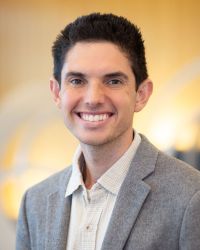
Vice President of Community, Culture, and Institutional Climate
Northway 1-327