
Sense of Belonging
We strive to create an environment where every student and employee feels valued, respected, and has a sense of belonging. We celebrate diverse identities and experiences as essential elements of our shared community.
SCTCC Next:
Moving Forward…Together
SCTCC’s Mission and Student Experience Statements, along with Minnesota State’s Equity 2030 initiative, are the bedrock of SCTCC Next.
Equity 2030 is a strategic initiative to eliminate educational inequities across race and ethnicity, socioeconomic status, and geographic location at every Minnesota State college and university by 2030.
SCTCC’s four strategic priorities, guided by our Shared Beliefs, serve to advance our Vision.
In June 2019, we set a critical goal: By 2030, Minnesota State will eliminate the educational equity gaps at every Minnesota State college and university. It is a staggeringly ambitious goal and one that will require both intentional systems and culture change and innovation, as well as advocacy and leadership with partners and stakeholders across the state to accomplish.
The core value for Minnesota State is to provide an opportunity for all Minnesotans to create a better future for themselves, for their families, and for their communities.
The Equity by Design Teaching Academy (EBDTA) at SCTCC is dedicated to fostering an academic culture rooted in equity, inclusivity, and social justice. With a primary focus on addressing outcome gaps and historical inequities, the EBDTA empowers educators and creates transformative learning environments where students can thrive, regardless of their backgrounds.
The EBDTA equips faculty with the tools and strategies to create up-to-date culturally responsive curricula, assessments, and teaching methods. The research model provides historical context, is data-driven, and is faculty-led. Faculty have opportunities for ongoing professional development enhancing cultural competence in a supportive community where educators share insights and collaborate.
The EBDTA fellows have provided feedback that led to changes in policies, engaged in dialogue with decision-makers to ensure that equity considerations are embedded in institutional practices, and served as a conduit between faculty and administration to communicate and address equity-related concerns.
EBDTA FELLOWS
- Adam Smeija
- Katie Smeija
- Lunde Althaus
- Jim Anderson
- Andrew Cone
- Mark Gucinski
- Ali Alsaffar
- Jennifer Evens
- Scott Ridlon
- Kevin LaNave
- Kelly Crue
- Kelly Halverson
- Katie Leverson
- Diane Ehr
- Beth Flick
- Kathleen Robinson
- Michele Timp Pilon
- Nancy Wallin
- Anthony Alfaro
- Steve Gilmore
- Matthew Diedrick
- Ingrid Smiles
- Heidi Smith
- Khaldoun Ahmed
- Faith Ericson
- Pam McBroom
- Dawn Straley
- Chris Chamberlain
- Melissanne Frank
- Megan Magwire-Rogholt
- Caitlin Hickcox
- Ann Tuoy-Giel
- Connie Logeman
- Luke Green
- Susan Engle
The SCTCC Equity Audit examines our policies, practices, and procedures to evaluate and is closely aligned with the Antiracism and Equity Framework to enhance our commitment to equity. The audit facilitates the collection and analysis of quantitative and qualitative data, allowing us to assess existing practices and successes and see the opportunities for continued work. The audit is a strategic tool for fostering inclusivity and shaping an equitable environment.
Equity Audit for SCTCC Employees
Related Student Support

Wellness Resource Services provides non-academic support and short-term mental health services to help improve personal wellness and academic success.

Accessibility Services supports SCTCC students with disabilities in obtaining, understanding, and advocating for equitable and inclusive access through accommodations.

The Multicultural Center is a place where the SCTCC community can meet, engage in critical conversations, and participate in various activities and community events.
Events
News
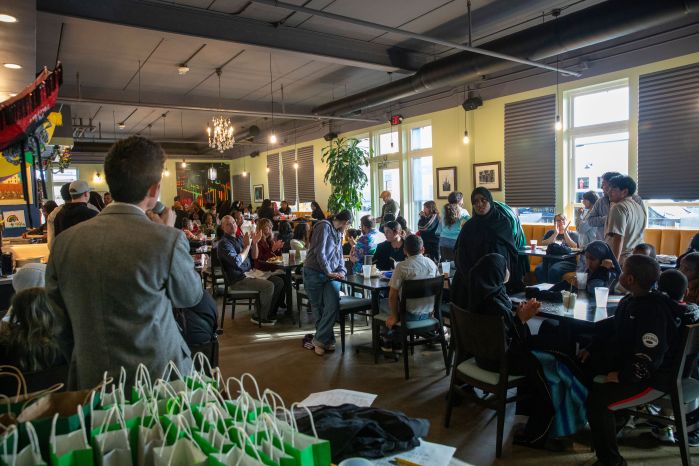
Rising Stars Brings Together Shining Opportunities

When Students Succeed, Communities Thrive